Start With the Part
The part tells you more than a brochure ever will.
Size, weight, and shape matter.
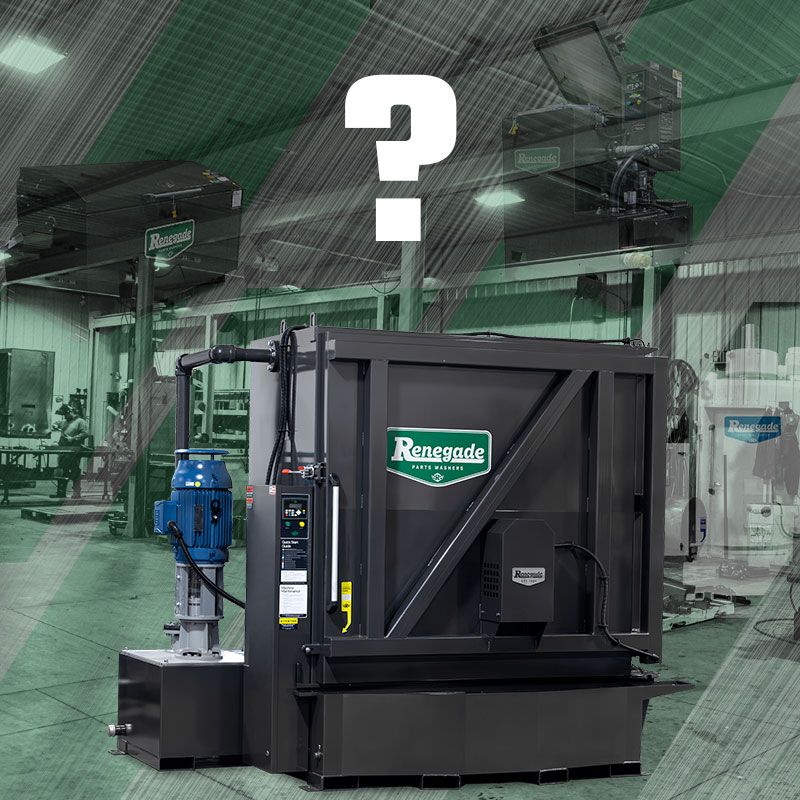
A small bracket is a different job than a heavy casting. This is why Renegade engineers and builds everything from compact Top Load machines to large Front Load systems and conveyorized lines. The washer has to match the part, not the other way around.
Ask:
- How big is it?
- How heavy is it?
- How many at a time?
Look at the Soil, Not Just the Metal
Oil, grease, coolant, carbon, and chips don’t behave the same way.
Light oil might come off with mild detergent and moderate heat.
Burned-on carbon needs time, pressure, and chemistry.
This is where aqueous cleaning earns its place. Renegade washers use heated water and detergent to break down contamination without the hazardous waste you have with solvents. The detergent matters. The temperature matters. The spray pattern matters. Effective parts washing – needs to be engineered around your needs and shop floor.
Blindly choosing the washer without understanding the soil composition (or contaminates) is how shops end up running multiple wash cycles on their parts.
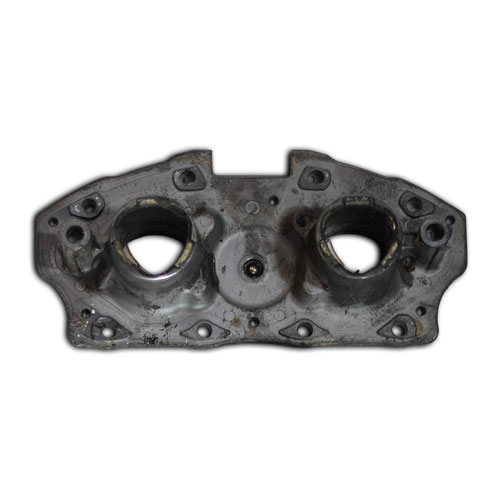
Before Washing
Volume Drives Everything
One clean part doesn’t require much equipment. Cleaning thousands of parts a day does.
Low volume? A batch-style Top Load or Front Load washer would fit well.
High volume? That’s when conveyor systems and automated Industrial Series machines earn their keep.
Volume isn’t just about speed. It’s about labor. If people are standing around waiting on clean parts, the washer is already costing you money.
Workflow Comes Before Equipment
Where does the part come from?
Where does it go next?
Good washers fit into the flow instead of fighting it. That’s why Renegade engineers design systems around real shop layouts. Sometimes that means a simple front-load cabinet. Sometimes it means an I-Series washer built to line up with upstream machining and downstream coating.
You don’t design the process around the washer.
You design the washer around the process.
Define “Clean Enough”
This is the step most people skip.
Does the part need to:
- Go into assembly?
- Get coated?
- Pass inspection?
The washer needs to meet the requirement of the next step in your process. Renegade builds washers around that clean to your specific specification.
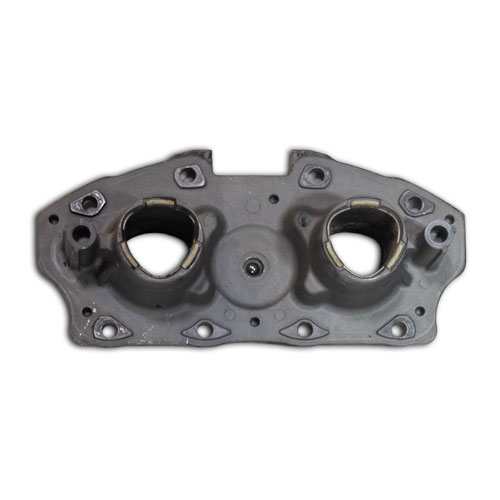
After Washing
Standard or Engineered?
Some jobs fit standard machines.
Some don’t.
That is where Renegade’s Industrial Series exists. It’s built when off-the-shelf designs won’t solve the problem. Spray angles, cycle times, part handling, drying — they get tailored to the reality of the shop, not a template.
Choosing Right Means Worrying Less
The right washer:
- Fits the part
- Handles the soil
- Keeps up with volume
- Matches the workflow
- Delivers the required clean spec
When those line up, the washer fades into the background.
That’s when you know it’s working.