
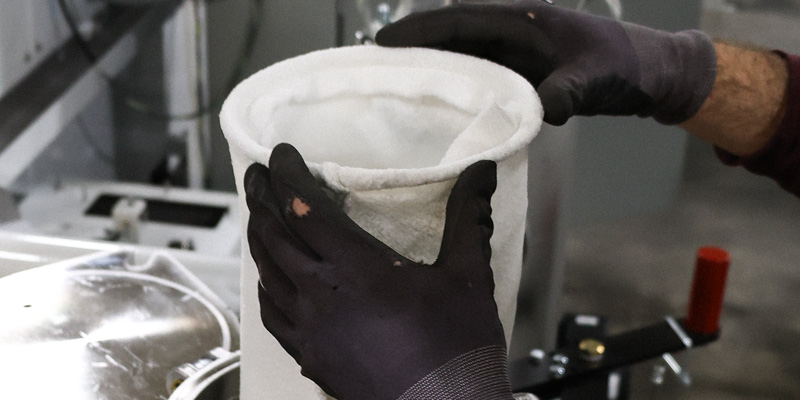
Regular parts washer maintenance helps prevent downtime, protect critical components, slow corrosion, and extend machine life. Skip it long enough, and the machine usually finds a louder, more expensive way to remind you.
Why Parts Washer Maintenance Matters
Renegade parts washers are built with quality at the forefront of every order. With proper maintenance and care, your machine can continue operating to those same quality standards long after it leaves our facility.
Without regular maintenance, your machine may leave you asking, “What could I have been doing better?”
Checking maintenance off your to-do list can feel like a daunting task. But skipping it is often the difference between equipment running smoothly and production coming to a stop. When equipment goes awry, the last thing any business needs is added stress or unplanned downtime.
To keep your parts washer operating as intended, here are six reasons regular maintenance matters and what can happen when it gets pushed to the back burner.
Reason #1: Extends the Life of the Machine
Regular maintenance directly supports the longevity of your parts washer.
Inside the machine, water is constantly being contaminated as parts are cleaned. Over time, that contamination can lead to sediment buildup, corrosion, and premature wear on vital internal components.
Machines that are properly maintained can last years longer than machines that are not. “We’ve seen machines five years old that are full of rust and machines over ten years old that still look fantastic. The difference is maintenance,” said Sean McFerren, Renegade’s veteran Technical Support and Sales Representative.
A parts washer is a long-term investment. Regular maintenance protects that investment by preserving performance, extending lifespan, and preventing unnecessary replacement costs.
In short: machines that are cared for perform better, last longer, and cost less to own.
Reason #2: Prevents Unplanned Downtime
When a parts washer goes down unexpectedly, production slows and schedules fall behind. Planned maintenance puts you in control.
Regular water changes, cleanings, and part inspections can be scheduled around your production needs instead of landing in the middle of them. With proactive maintenance, the right parts and supplies are already on hand. There is no waiting, no scrambling, and no unnecessary downtime.
Over the life of a business, the reality is simple: the cost of unplanned downtime often equals, or exceeds, the cost of preventative maintenance. Shipping parts alone can add two to five days of downtime, depending on location.
“With planned maintenance, you already have the parts and supplies on hand. Emergency repairs mean waiting, and that lost time adds up fast,” McFerren said.
For replacement products and cleaning support, visit the Renegade parts washer supply store.
Reason #3: Lowers Long-Term Operating Costs
Skipping maintenance may save time and money in the short term, but it increases operating costs over the life of the machine.
Dirty water accelerates wear on consumables, leading to costly component replacements or, in worst-case scenarios, structural tank damage. Those expenses can far exceed the cost of routine upkeep.
As McFerren puts it, “You’re going to pay for it now, or you’re going to pay for it later. Later is always more expensive.”
Investing in quality parts washer detergent and supplies, a consistent maintenance schedule, and regular upkeep protects the integrity of the machine and prevents a much larger price tag down the road.
Consistent maintenance keeps cycle times predictable and performance reliable. That reliability translates directly to operational efficiency: fewer rewashes, less downtime, and smoother workflows throughout the shop.
As McFerren sums it up, “Performance translates to cycle times, and cycle times translate to money.”
Reason #4: Maintains Consistent Cleaning Performance
As water becomes contaminated, the machine experiences continuous wear and tear. Cleaning performance declines, leading to inconsistent results from cycle to cycle.
Over time, spray orifices can slowly open, reducing pressure and coverage. Debris-filled water can extend cycle times, create pinch points in production, and lead to inconsistent results.
Consistent maintenance preserves cleaning performance, helping every part leaving the wash cycle meet quality expectations without slowing production.
To better understand the cleaning process, read Parts Washer Basics.
Reason #5: Protects Critical Components
Several key consumables depend on clean water and routine maintenance to operate smoothly.
- Pumps
- Heating elements
- Spray nozzles
- Anode rods
- Filter bags
Sediment buildup can cause heating elements to burn out or pumps to pull debris from the bottom of the tank, leading to premature failure.
“The more garbage that’s in the water, the more wear you’ll see on pumps, nozzles, and heating elements,” McFerren stressed.
Following proper maintenance and cleaning specifications directly extends the life of these critical components.
If clogged filters or dirty solution are affecting your machine, read about how a parts washer filtration system helps protect performance.
Reason #6: Prevents Rust and Corrosion
Rust can begin inside the machine and gradually work its way through the wash tank over time. Trapped moisture, contaminated water, and inadequate detergent can accelerate corrosion, especially when sediment is allowed to accumulate at the bottom of the tank.
Left unchecked, corrosion can eventually rust through the steel, causing leaks and compromising the integrity of the machine.
“In the long term, the damage can be significant. Once corrosion reaches this point, the tank won’t hold water,” McFerren said.
At that stage, the cost often shifts from repair to full replacement. That is why consistent cleaning matters.
If rust or chemistry issues are part of the problem, review Renegade safety data sheets or talk to us about the right detergent and additive approach.
Small Maintenance Steps Make a Measurable Difference
Preventative maintenance is not an extra expense. It is a critical part of keeping your operation running smoothly.
It protects production time, controls costs, and helps your Renegade continue to perform the way it was designed to long after it hits the shop floor.
Whether you are scheduling routine service, reviewing your manual, replacing a filter bag, or starting with a simple water change, small, consistent actions make a measurable difference.
Because in the end, the most expensive maintenance is the maintenance that never happened.
Keep Your Renegade Running Right
Need help with maintenance, replacement supplies, or cleaning performance? Renegade can help you keep your washer running the way it was built to.
Parts Washer Maintenance FAQ
Why is parts washer maintenance important?
Parts washer maintenance helps prevent downtime, protect components, reduce corrosion, maintain cleaning performance, and extend machine life.
What happens if a parts washer is not maintained?
Skipping maintenance can lead to dirty solution, sediment buildup, reduced cleaning performance, clogged nozzles, worn pumps, corrosion, leaks, and unexpected downtime.
How does dirty water affect a parts washer?
Dirty water can carry debris through the machine, accelerate wear on pumps and nozzles, reduce spray performance, and contribute to corrosion inside the tank.
Can regular maintenance extend the life of a parts washer?
Yes. Regular maintenance helps protect the tank, pump, heating elements, spray nozzles, and other components, which can extend the working life of the machine.
What parts washer components should be checked regularly?
Pumps, heating elements, spray nozzles, filter bags, anode rods, water condition, detergent concentration, and tank cleanliness should be checked regularly.
Key Terms
Preventative Maintenance: Planned upkeep performed before a failure occurs so the washer can continue operating reliably.
Filter Bag: A consumable filtration component used to capture debris from the wash solution.
Anode Rod: A component used to help protect parts of the washer from corrosion.
Sediment Buildup: Contamination that settles in the tank and can contribute to wear, corrosion, and reduced cleaning performance.
Spray Nozzle: The component that directs cleaning solution onto the parts; wear or blockage can change pressure and coverage.
Detergent Concentration: The amount of cleaning chemistry in the wash solution, which should be maintained as part of consistent washer operation.
Key Takeaway
Parts washer maintenance protects both cleaning performance and the machine itself. Small, scheduled actions such as water changes, tank cleaning, filter replacement, component inspection, and chemistry checks can prevent larger costs, unexpected downtime, corrosion, and premature equipment damage.